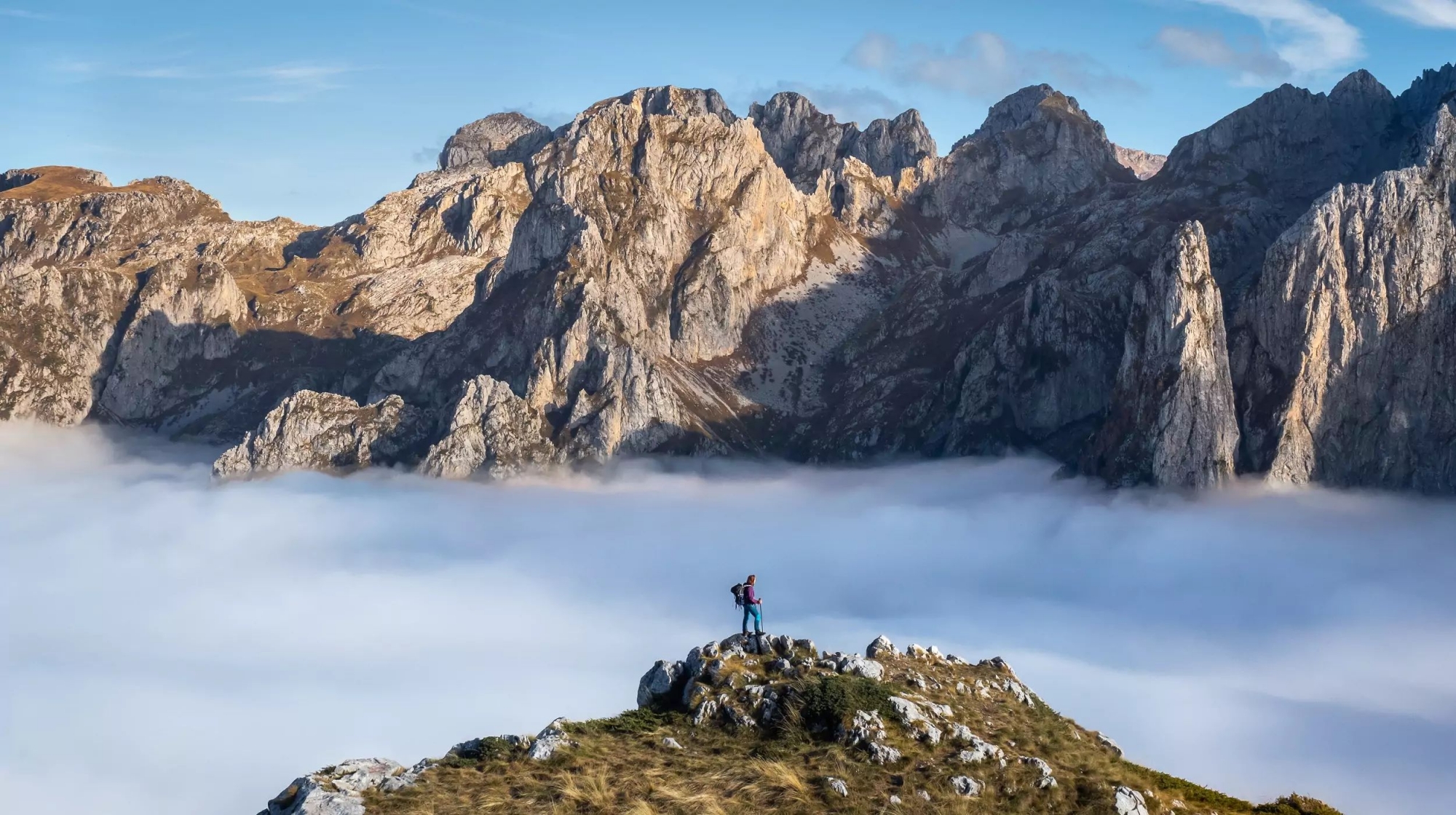
Montenegro may be small, but its hiking terrain offers incredible variety. Rugged peaks, forested valleys, and hidden paths make hiking here feel like exploring several countries in one.
Diverse Hiking Regions
Serious hikers should visit Durmitor National Park. The park has over 200 km of trails. One of the most challenging hikes goes to Bobotov Kuk, the highest peak at 2,523 m. The Sedlo route takes 3–4 hours one way and climbs steep terrain.
beyoftravel.com
Serpentine Roads near Kotor: The switchback roads near Kotor are steep and historic. They reward hikers with stunning views of the bay and surrounding mountains.
Real Talk on Safety
-
Many trails are well-marked, but hikers should plan for water carefully. On multi-day treks, reliable water sources are not always guaranteed. Using water purification tablets is recommended.
-
Wild camping is tolerated in some areas but is not fully legal everywhere. National parks allow camping only in specific zones.
-
Montenegro’s mountains are home to wild animals like bears and wolves. While not constantly dangerous, hikers should stay alert.
Local Hiking Culture
-
Both tourists and locals use the trails, but the hiking community stays authentic and low-key.
-
Guided hikes are recommended for remote or difficult routes, especially for those unfamiliar with Montenegrin trails.

Why Hiking Here Feels Different
-
The landscapes are dramatic yet mostly untouched; tourism has not over-commercialized them.
-
You can enjoy solitude even on popular trails, especially early in the morning or late in the afternoon.
-
Hiking here is an immersive experience: you walk through high peaks, glacial lakes, dense forests, and jagged ridges.
Montenegro hiking is not always easy. It’s more than just a walk in the woods. For those seeking beauty, challenge, and authenticity, Montenegro offers mountain experiences that surpass expectations.