1. Research and Choose the Right Property
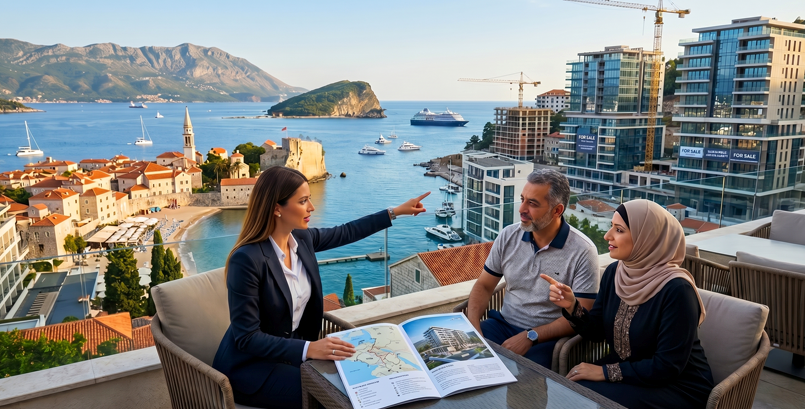
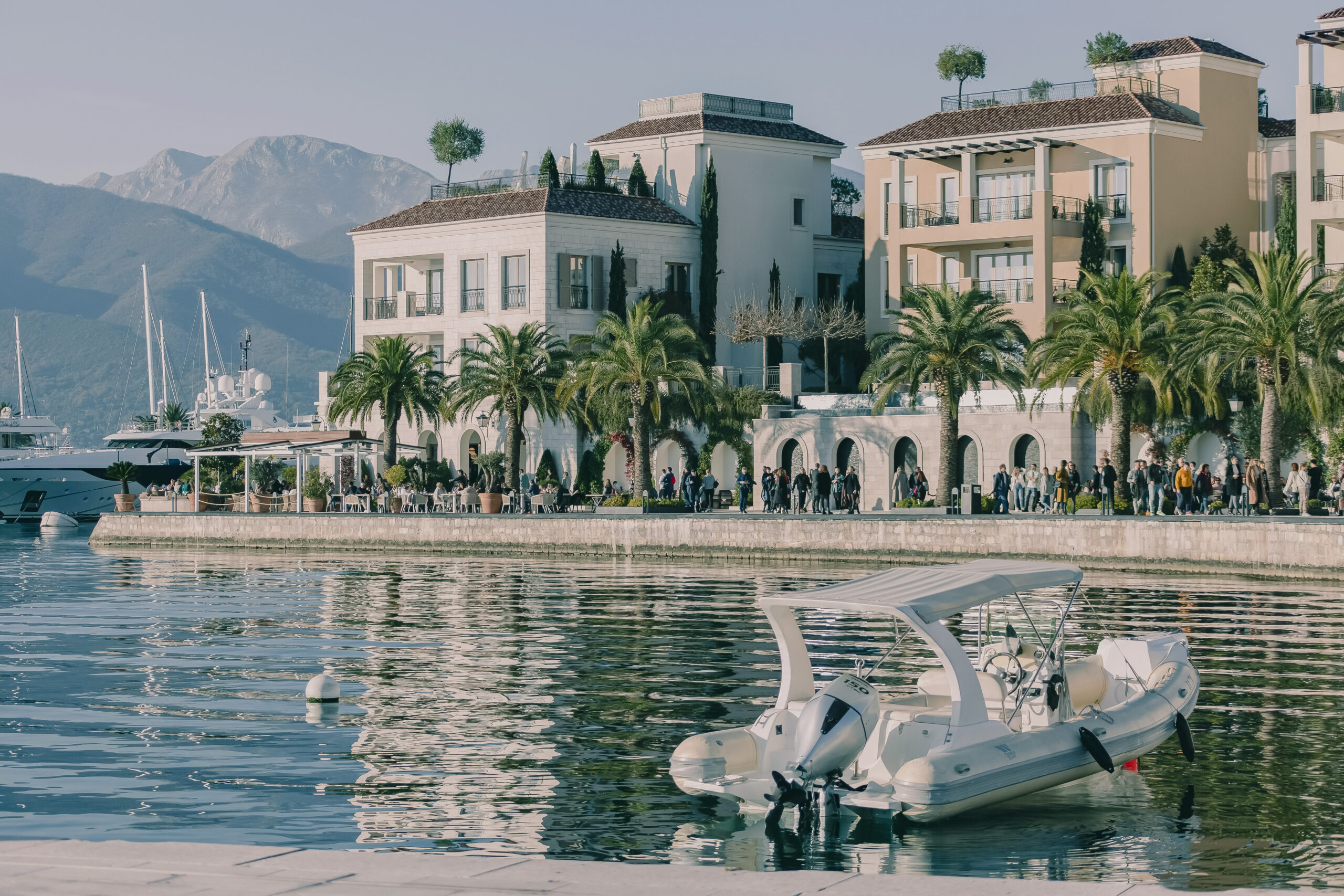
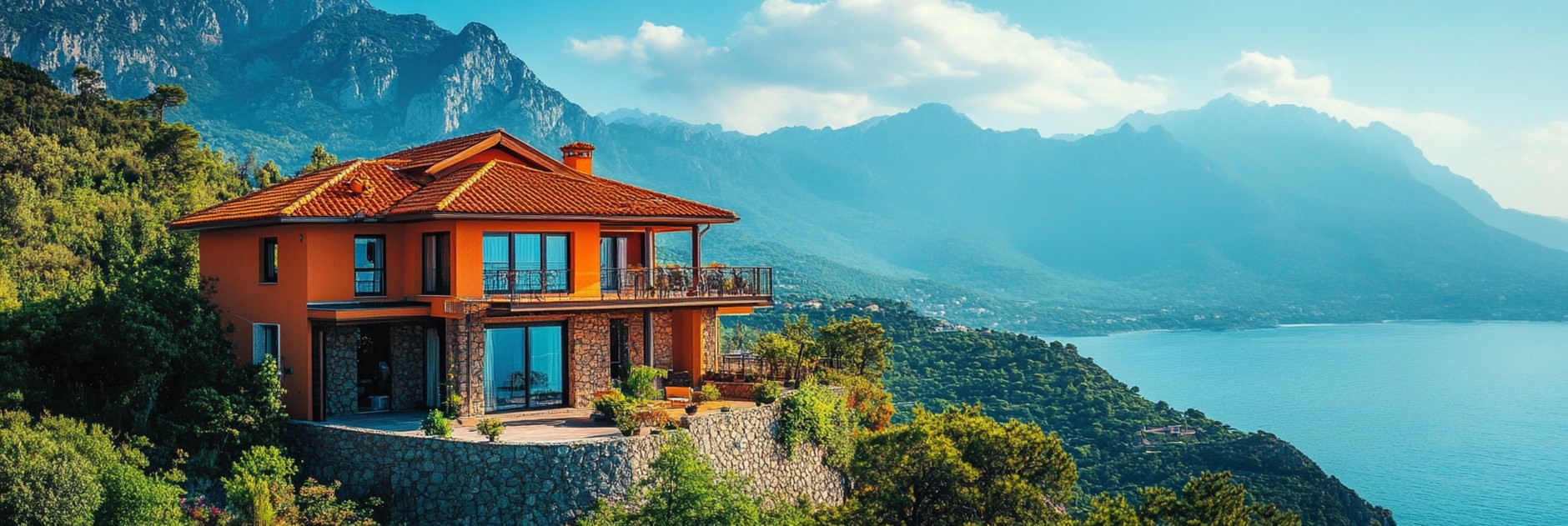
The first step in buying property in Montenegro is conducting thorough research. Consider what type of property best suits your needs—whether it’s a coastal villa, a city apartment, or a rural retreat. The location is also crucial; popular areas like Kotor, Budva, and Tivat offer different lifestyles and investment potentials. Use reputable real estate agents or online platforms specializing in Montenegrin properties to explore your options. Visiting Montenegro to view properties in person is highly recommended to get a true sense of the market and neighborhoods.
2. Understand Legal Requirements
Foreigners can freely buy property in Montenegro, with a few exceptions. Foreign nationals cannot purchase agricultural land or property in areas designated as national parks. However, these restrictions can often be circumvented by setting up a Montenegrin company, which then owns the property. Most foreign buyers will have no issues purchasing residential properties, including houses, apartments, and commercial real estate.
3. Hire a Local Lawyer
Hiring a local lawyer is crucial to navigating the legal aspects of buying property in Montenegro. A qualified lawyer will ensure that the property has a clear title, is free of encumbrances, and that all necessary permits are in place. They will also assist with drafting the preliminary purchase agreement, conducting due diligence, and ensuring that the transaction complies with Montenegrin law. This step is vital to avoid potential legal pitfalls and protect your investment.
4. Sign a Preliminary Agreement

Once you’ve found the right property and your lawyer has verified its legal status, the next step is to sign a preliminary purchase agreement. This contract outlines the terms of the sale, including the purchase price, payment schedule, and any conditions that must be met before the sale can be finalized. Typically, a 10% deposit is paid at this stage, which secures the property for you.
5. Conduct Due Diligence
Your lawyer will conduct due diligence to ensure that the property is free from legal issues. This includes verifying the ownership history, checking for any unpaid taxes, and ensuring there are no legal disputes or outstanding mortgages on the property. This step is crucial to avoid any future complications.
6. Finalize the Purchase
Once due diligence is completed, and all conditions in the preliminary agreement are met, you can proceed to finalize the purchase. This involves signing the final sales contract (known as a “Kupoprodajni Ugovor”) in the presence of a notary. At this point, the full payment for the property is made, typically through a bank transfer. The notary will then register the transfer of ownership with the Land Registry, officially making you the owner of the property.
7. Register Ownership and Pay Taxes

After the sale is completed, your lawyer will assist in registering your ownership with the local Land Registry. This process ensures that the property is legally in your name. Additionally, you will be required to pay a property transfer tax, which is currently set at 3% of the purchase price. This tax must be paid within 15 days of the sale, and it is essential to budget for this cost when planning your purchase.
8. Consider Ongoing Costs and Maintenance
Owning property in Montenegro comes with ongoing costs, including utility bills, property maintenance, and local taxes. If you’re purchasing a property as a vacation home or rental investment, consider hiring a local property management company to handle day-to-day operations.
Conclusion
Buying property in Montenegro as a foreigner is a straightforward process when you follow the correct steps and seek professional guidance. From choosing the right property to navigating the legal requirements and finalizing the purchase, each step is crucial to ensuring a successful investment. With its stunning landscapes and growing real estate market, Montenegro offers an excellent opportunity for those looking to own a piece of paradise.