Understanding Montenegro property taxes is essential for anyone planning to buy or invest in real estate in this stunning Balkan country. Moreover, knowing the tax system helps foreign investors and second-home buyers make informed decisions and avoid unexpected costs. Whether you are purchasing a vacation home or an investment property, understanding taxes ensures smooth transactions.

1. Property Transfer Tax
When buying an existing property in Montenegro, buyers must pay a property transfer tax of 3% of the market value. For example, a €200,000 property would require a €6,000 tax. This one-time payment is due within 15 days of signing the final sales contract. Newly built properties purchased from developers are exempt and are instead subject to VAT.
2. Value-Added Tax (VAT)
New properties are subject to VAT at 21%, typically included in the purchase price. For instance, buying a €250,000 apartment from a developer incurs €52,500 in VAT, making the total cost €302,500. Understanding whether your purchase is subject to VAT or transfer tax is crucial for budgeting.
3. Annual Property Tax
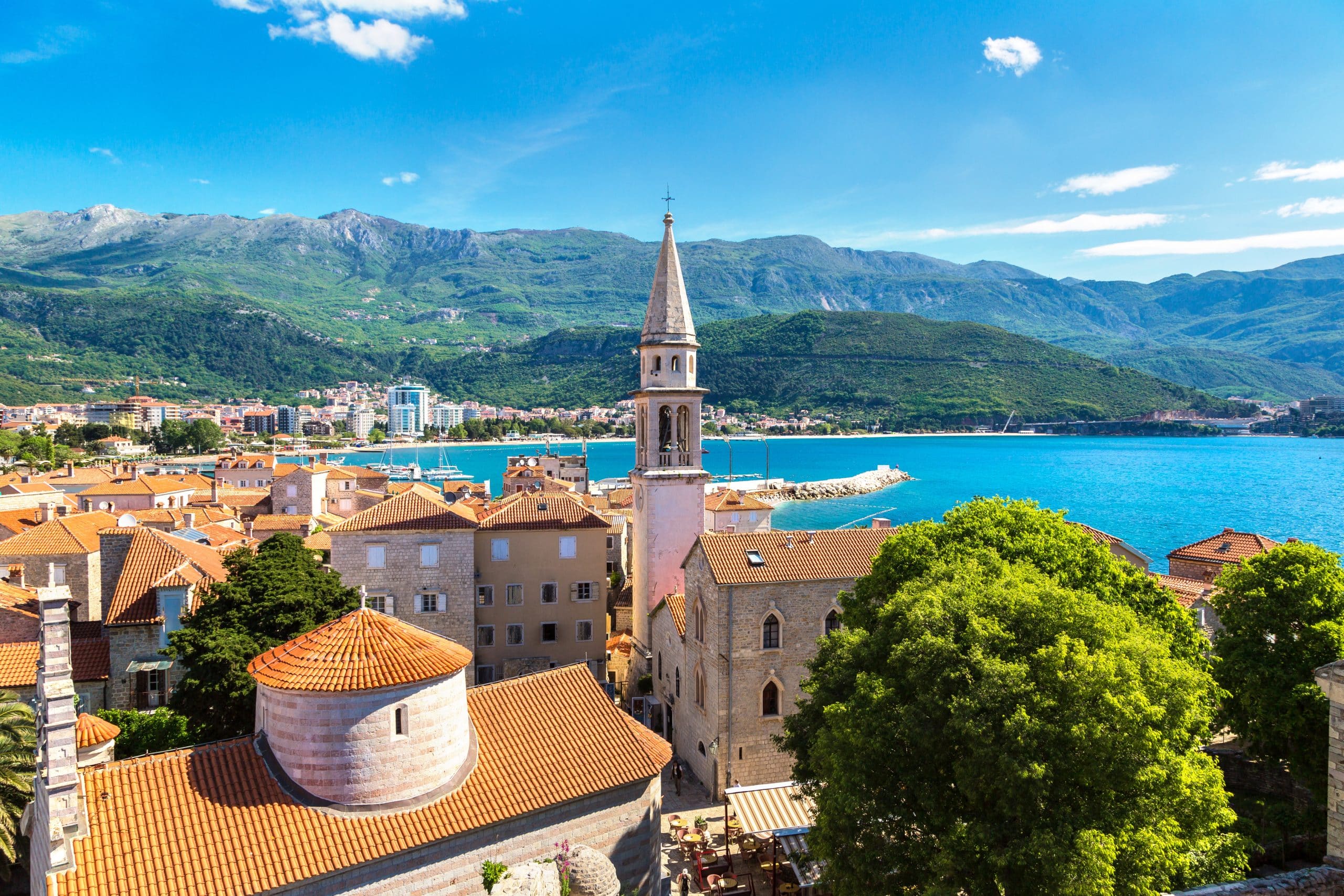
Property owners pay an annual tax ranging from 0.25% to 1% depending on location and property type. For example, a €300,000 property in Budva at 0.5% equals €1,500 per year. Local municipalities collect this tax, usually in installments. Staying current avoids penalties.
4. Capital Gains Tax
Selling property may trigger a 15% capital gains tax on the profit. For example, buying at €200,000 and selling at €250,000 generates a €50,000 gain, with €7,500 owed in tax. Properties held over three years and used as primary residences may be exempt.
5. Other Considerations
Additional costs include legal fees (1–2%), notary fees (€300–€500), and agent commissions (3–5%). Rental income is taxed at 9%, but some expenses like maintenance can be deducted. Thus, budgeting for all costs is essential for maximizing returns.

Conclusion
Understanding the property taxes in Montenegro is essential for anyone looking to buy or invest in real estate. From the initial property transfer tax to the ongoing annual property tax, being aware of these costs will help you better manage your budget and avoid any surprises. By staying informed and planning accordingly, you can enjoy the benefits of owning property in one of Europe’s most stunning and rapidly developing countries.