From Coastline to Cost of Living: Why Montenegro Is Ideal for Retirement
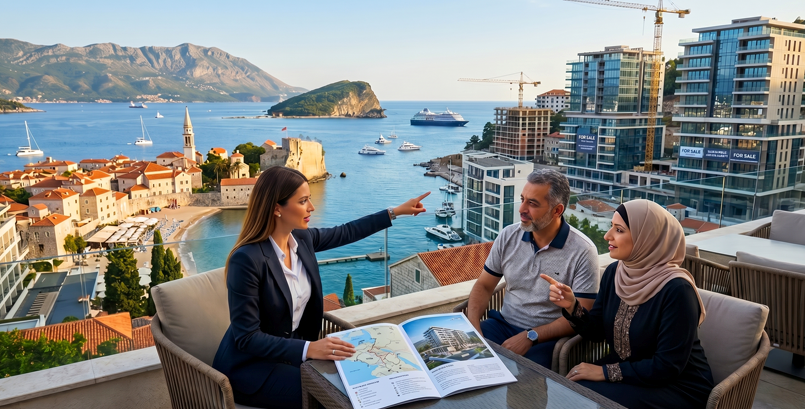
If you have ever dreamed of waking up to an Adriatic view without paying Côte d’Azur prices, Montenegro has quietly become one of the most compelling answers. It is a country that rarely features in retirement planning conversations, yet it offers a combination that is increasingly hard to ignore: a Mediterranean climate, the euro as its currency, a low cost of living and residency pathways that are accessible for non-EU nationals. International buyer’s agents such as LUXE Realty, who specialise in guiding overseas buyers through the Montenegrin market, have seen growing enquiry from UK and US retirees exploring exactly this combination.
|
Monthly Expense |
Approximate Cost (2026) |
|
Rent — 1-Bedroom Coastal Apartment |
EUR 600 – 1,200 |
|
Utilities (Electricity, Water, Internet) |
EUR 100 – 180 |
|
Groceries |
EUR 250 – 400 |
|
Dining Out (Per Meal) |
EUR 10 – 25 |
|
Private Health Insurance |
EUR 60 – 150 / Month |
|
Transport |
EUR 30 – 50 |
Where Should Retirees Live?
Location within Montenegro matters considerably. The country is compact — you can drive from the coast to the mountains in under an hour — but the character of different areas varies significantly.
- Kotor: A UNESCO-listed old town with a slower pace, historic architecture and an established international community. Ideal for those who value character and walking-distance amenities.
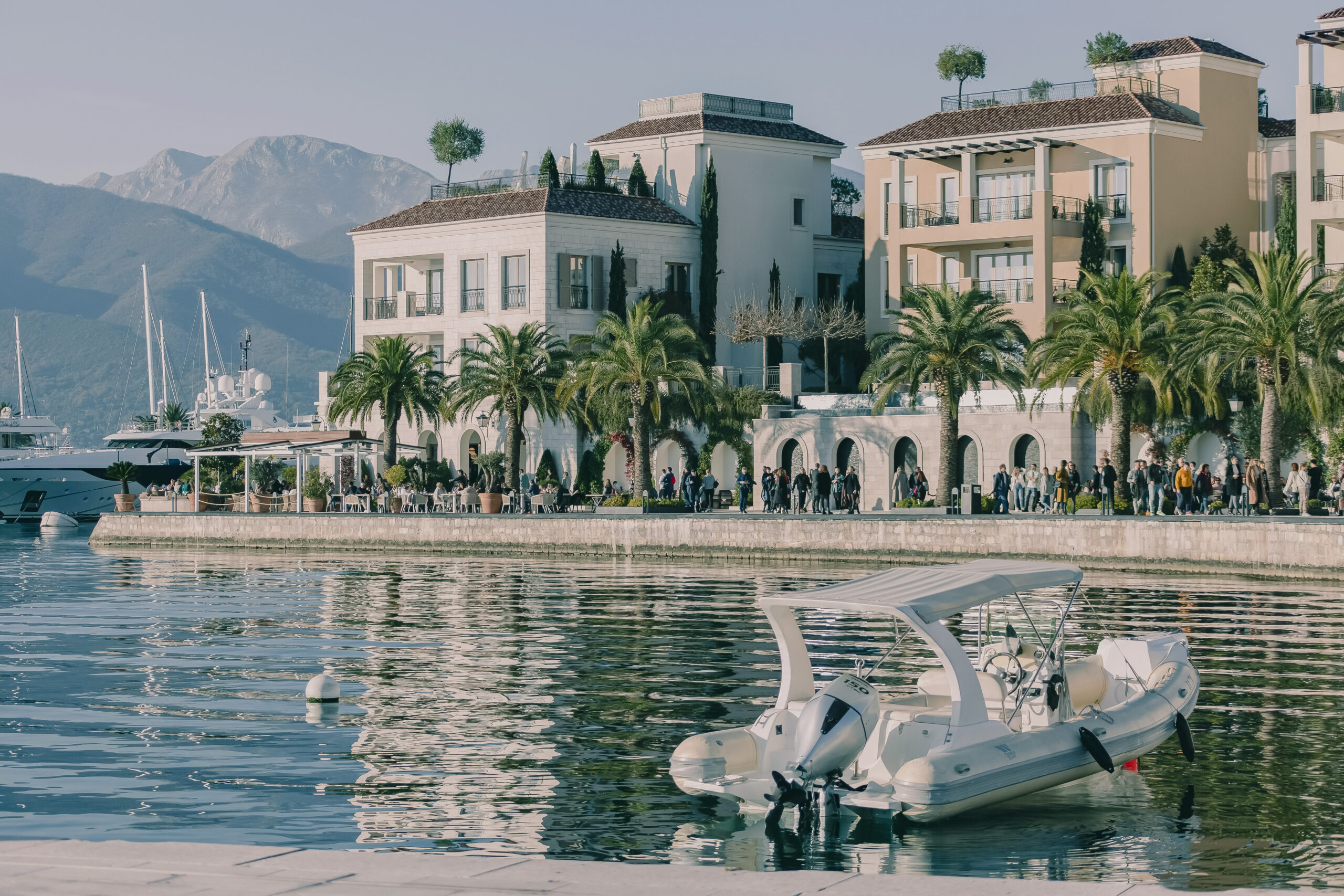
- Tivat: More modern infrastructure, close to the international airport and home to Porto Montenegro, a large marina development. Popular with buyers seeking a polished, amenity-rich setting.
- Budva: Montenegro’s liveliest coastal town and the historic heart of the Riviera. A walled old town sits alongside a well-developed tourism infrastructure, making it one of the most recognisable addresses on the Adriatic. Popular with those who want amenities, energy and central coastal access.
- Herceg Novi: Generally more affordable than Tivat or Budva, with a loyal expat community and a pleasant bay setting.
- Lustica: Home to Lustica Bay, an integrated resort community with freehold property, five beaches, two marinas and an 18-hole golf course. Over 600 residents already live there year-round.
- Podgorica: The capital is inland and more affordable. Less scenic but practical for those who prioritise ease of administration and services.
Spending time in Montenegro across different seasons — not only in peak summer — before committing to a location is consistently the advice of those who have already made the move. LUXE Realty can also arrange rental properties for prospective buyers who want to test a location before purchasing, as well as managing properties on behalf of owners who split their time between Montenegro and home.
Taxation: What UK and US Retirees Need to Know
Montenegro operates a progressive income tax system with rates of 9% on monthly income up to 1,000 EUR gross and 15% on income above that threshold. The first 700 EUR of each monthly salary is tax-exempt. These are among the lowest rates in the European region.
Montenegro has signed double taxation treaties with the UK, Germany, France, Italy, the Netherlands, Austria, Belgium and others. These agreements can reduce or eliminate double taxation on pensions and other income — a significant practical advantage for retirees drawing from foreign pension schemes.
US citizens face additional complexity: American tax obligations generally continue irrespective of where you live. Cross-border tax advice before relocating is not optional — it is essential.
Is Montenegro the Right Fit?
Montenegro rewards a particular type of retiree: someone who values landscape, a slower pace of life and financial efficiency over metropolitan infrastructure and digital convenience. It is not a large-city retirement. Administration can be slower, English is less universal outside tourism areas and public services are more limited than in Western Europe.
This guide is written specifically for UK and US retirees exploring the option in 2026. It covers what life actually looks like day to day, what residency currently requires, how far your pension will stretch and what questions to ask before making any commitment.
The Numbers That Make Montenegro Worth a Serious Look
Retirement finances dominate every relocation decision. Here is how Montenegro compares at a practical level for a couple living comfortably on the coast:
A couple living modestly outside prime coastal areas can manage on EUR 2,000–2,500 per month. In premium locations such as Budva and Tivat, a more comfortable lifestyle runs closer to EUR 3,000. By comparison, equivalent living standards in southern France or the Italian Riviera would typically cost two to three times that.
Residency for Retirees: What Has Changed in 2026
Montenegro does not offer a dedicated retirement visa, but it does accommodate retirees through temporary residence on the basis of stable income combined with health insurance coverage. The residence permit is issued for one year and renewable annually.
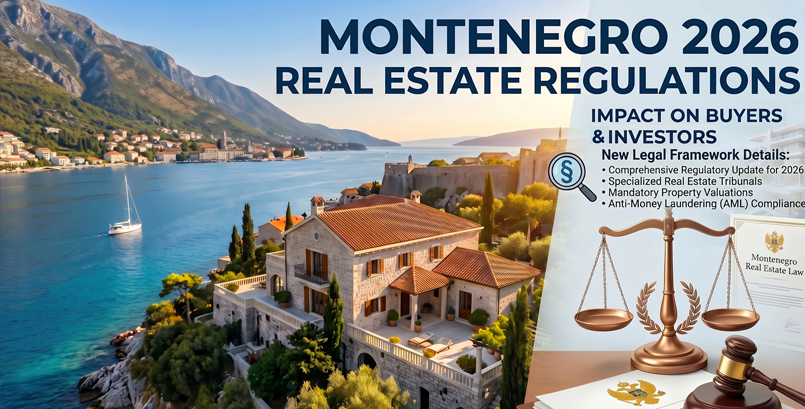
For non-EU nationals wishing to base residency on property ownership, a significant change came into effect on 31 December 2025. The amended Law on Foreigners now requires that the municipal tax base of the property is at least EUR 150,000. Note that this is the tax base — assessed by the local municipal authority — not simply the purchase price.
EU citizens and their family members, along with citizens of Iceland, Liechtenstein, Norway and Switzerland, are exempt from this threshold. Seeking qualified legal advice before proceeding is strongly recommended, as circumstances differ and regulations can change. LUXE Realty works alongside legal professionals to help buyers understand how the residency rules apply to their specific situation before any property decision is made.
Healthcare: Managing the Practical Reality
Healthcare is a primary concern for most retirees, and Montenegro deserves an honest assessment here. The public system exists, and registered residents can in principle access it. In practice, expatriate residents and retirees typically rely on private clinics, which are available in coastal towns and offer a reasonable standard of care.
Private health insurance in Montenegro costs approximately EUR 60–150 per month depending on age and coverage level — considerably lower than equivalent cover in the UK or the US. Many American residents additionally maintain international health insurance policies and travel to neighbouring countries or elsewhere in Europe for specialist procedures when needed.
For those who find those trade-offs acceptable — or actively appealing — it offers a genuinely compelling combination. Mediterranean coastline, mountain access, euro-denominated costs and property prices that remain well below comparable southern European destinations.
The key is preparation. Understand the residency requirements, verify the tax position for your specific circumstances and spend time in the country before committing. Montenegro has enough to offer that it deserves to be evaluated properly — not dismissed and not romanticised.
Planning a move to Montenegro? LUXE Realty specializes in guiding international buyers through every step — from finding the right property and understanding the residency requirements to managing your home once you are here. Get in touch with the LUXE Realty team to start your Montenegro journey with confidence